Most pond owners think about fountains the way they think about garden sculptures. Nice to have, but easy to skip when budgets are tight or the pond looks fine from the outside. Ponds are living systems, though, and treating them like static pools invites real problems. Stagnant water, algae blooms, and a creeping odor are not just nuisances. They signal something failing beneath the surface.
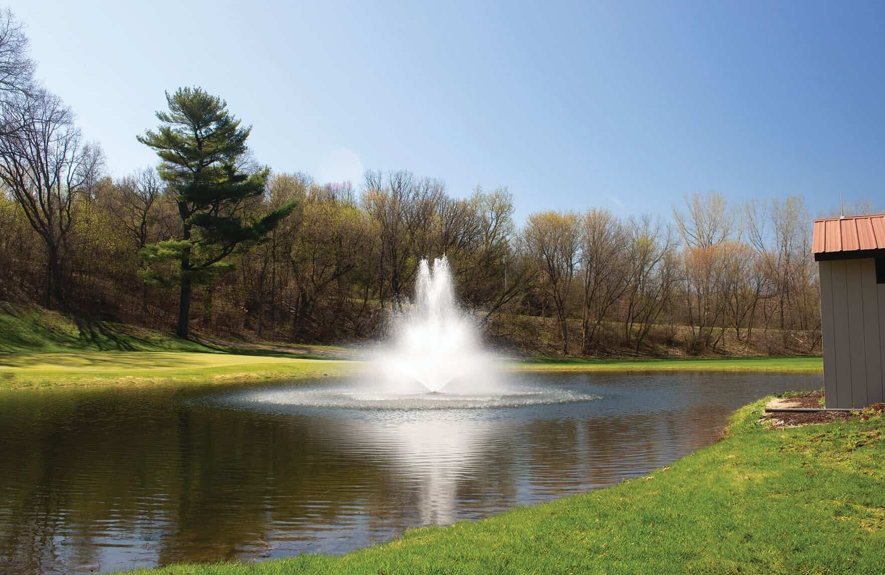
A floating fountain does more than dress up a pond. It pulls water through a pump, forces it into the air, and lets it fall back after getting oxygenated. That motion breaks the stillness that algae and anaerobic bacteria rely on. For any pond struggling with green water or persistent odor, active intervention is not optional equipment. It is the difference between a pond that thrives and one that quietly declines.
The Silent Crisis Playing Out in Still Water
What Stagnation Actually Costs You: A pond without circulation develops distinct layers. Warm water stays near the surface, cooler water sinks, and the two rarely mix. Organic matter settles at the bottom and decomposes without oxygen, producing hydrogen sulfide and methane. Those gases are behind the swamp-like odor many pond owners learn to tolerate. You should not have to. That smell is a sign of real biological failure.
Why Algae Finds Still Ponds So Inviting: Algae needs sunlight, nutrients, and calm water to establish itself. Most ponds offer all three by midsummer. Nutrients come from fish waste, decaying leaves, and garden runoff. Without consistent surface disturbance, algae colonies spread fast and form dense, light-blocking sheets across the water. Movement from a fountain raises the survival cost for algae and prevents populations from reaching crisis levels throughout the season.
What Changes When Water Starts Moving
The Mechanics Behind the Improvement: Hydrodynamic circulation refers to the movement of water through a pond’s full depth rather than just across the top. When a fountain pushes water upward and outward, it creates a pattern that draws oxygen-depleted water from deeper zones toward the surface. That turnover distributes heat, oxygen, and nutrients more evenly. Fish become noticeably more active in ponds where proper circulation is maintained year-round.
Breaking the Thermal Barrier: In summer, ponds develop a thermocline, a depth where temperature drops sharply and stays there. Below it, conditions can become hostile for fish and the beneficial bacteria that break down waste. A fountain disrupts this layering by pulling cooler bottom water toward the surface and mixing it with warmer zones. That exchange creates more stable pond temperature and reduces biological stress throughout the water column.
Signs Your Pond Is Trying to Tell You Something
When Oxygen Becomes the Missing Link: Dissolved oxygen is what keeps pond biology functional. When levels drop, beneficial bacteria stop processing waste, fish struggle near the surface, and water chemistry tips toward conditions that favor harmful organisms. Surface agitation from a fountain is one of the fastest ways to restore oxygen to water that has lost it. Hot, still weather can strip oxygen from a pond within days.
Reading the Warning Signs: Many pond owners wait too long before responding to what the water is telling them. A pond does not usually collapse all at once. The warning signs tend to build gradually, and each one points to a specific failure in circulation or oxygen supply. These are the signals that suggest a fountain has moved from optional to necessary:
- Green or brown water that persists after chemical treatment, suggesting the bacterial population has collapsed from poor water conditions.
- A sulfur or muddy odor near the water edge, particularly in warm months, pointing directly to anaerobic decomposition at the pond floor.
- Fish gathering near the surface or around inlet areas, a behavioral indicator that oxygen is only available in the shallowest zones.
- Dense algae mats forming along the margins or spreading across open water, blocking light from reaching submerged plants below.
- Reduced fish activity or appetite, which often signals that temperature layering has created uninhabitable zones deeper in the pond.
See also: How Construction Field Management Software Keeps Disconnected Teams Aligned
The Visual Case Is Real, Too
Aesthetics Are Not a Luxury Concern: There is a tendency to treat visual appeal as secondary when pond health is in question, but the two are genuinely linked. A healthy, circulating pond looks different. Water holds clarity, movement catches light throughout the day, and the surface carries energy rather than flatness. When you add a fountain, the pond becomes something worth stopping at rather than something you walk past without noticing.
Spray Pattern and Placement: Different nozzle configurations produce different effects, from tight vertical jets to wide umbrella-style sprays. The pattern you choose affects both the visual display and how much surface area receives oxygenated splash. Wider sprays work well for ponds with algae coverage across a broad zone. Narrower jets create height and drama, making them better suited to ponds near seating areas or visible from indoors year-round.
A Pond Worth Keeping
Waiting for a pond to recover on its own rarely works. The same conditions that caused the decline tend to sustain it, and the longer they go unaddressed, the harder the water becomes to restore. Adding circulation through a quality fountain changes the equation. Cleaner water and healthier fish are achievable. Explore the pump options suited to your pond’s volume and take the first step today.