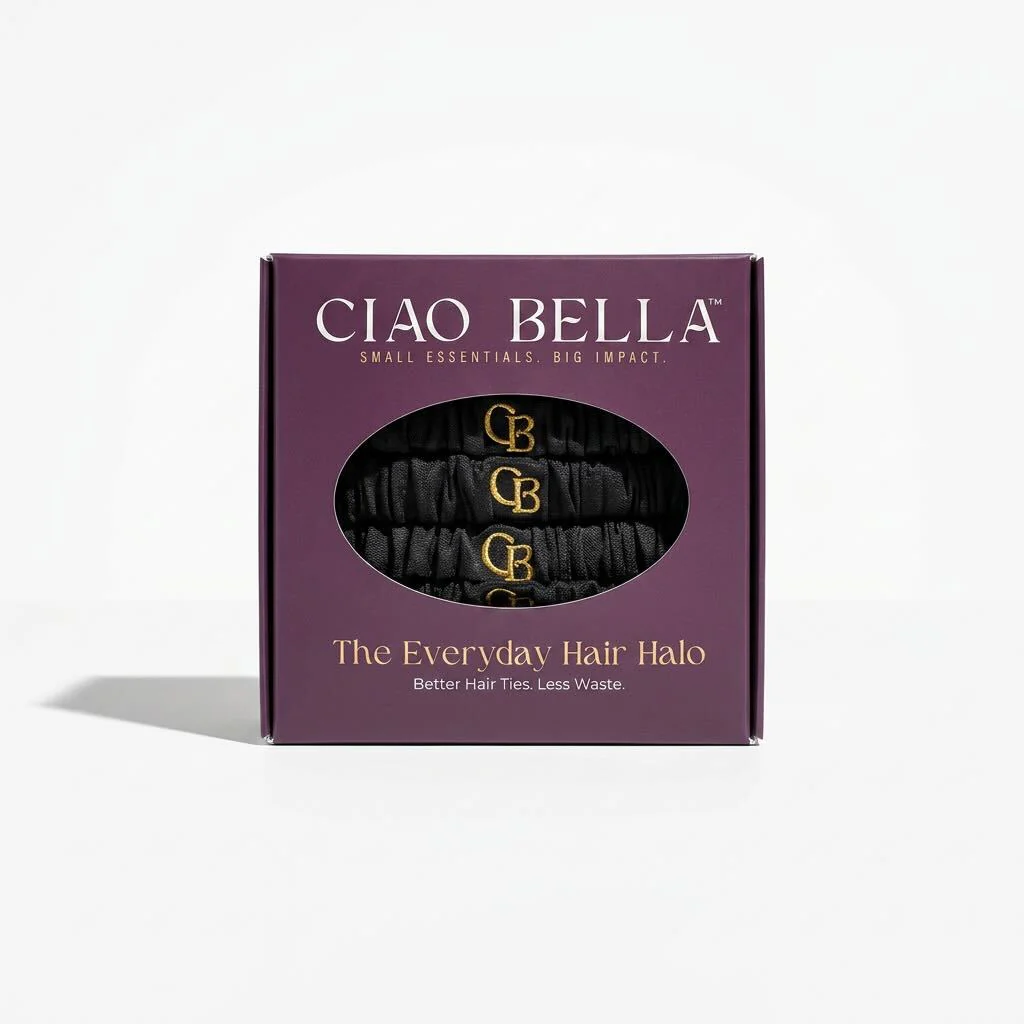
Pineapple fiber has moved from traditional weaving rooms into modern accessories, and Ciao Bella sits among the names putting it to work in hair ties. The material comes from pineapple leaves, the spiky part of the plant that stays in the field once the fruit gets picked. For most of farming history those leaves went nowhere useful. Growers burned them or left them to rot, which created smoke and methane and almost no value.
So when you pick up a Ciao Bella hair tie and wonder what sets pineapple fiber apart from the stretchy synthetic in a drugstore elastic, the honest answer starts with origin. A standard hair tie begins life as petroleum. Pineapple fiber begins with a crop already grown for food, then borrows the part nobody wanted. That single difference shapes how the material feels, how long it lasts, and what happens to it when you finally throw it away.
Where Pineapple Fiber Actually Comes From
One pineapple plant produces a cluster of long, sword-shaped leaves. After harvest, workers strip those leaves and pull out the fibers running lengthwise through them. These are bast fibers, the same family of long structural fibers found in flax and hemp. They are strong because they spent the plant’s life holding the leaf upright. Because the leaves are a byproduct, the fiber does not need new land, new irrigation, or a separate crop. It rides along with fruit that was going to be grown anyway.
The volume here is not small. Pineapple growing regions across Asia, Africa, and Latin America generate millions of tons of leaf waste every year. Turning even a slice of that into textile fiber changes a disposal problem into a supply, which is part of why the material has drawn attention beyond fashion novelty.
See also: How Scott Fountains Improve Large-Scale Water Features
How Leaf Fiber Becomes Fabric
Getting from a green leaf to a soft thread takes a few steps. First comes decortication, a scraping process that separates the fibers from the pulpy green matter around them. The raw fibers then get washed and dried. At this stage they are stiff and a little coarse, closer to straw than to cotton. To make them wearable, processors comb and soften them, then spin them into yarn, often blended with another fiber to add stretch or smoothness.
That blending matters, and it is worth being clear about. A pineapple fiber hair tie is rarely 100 percent pineapple. The leaf fiber gives strength and structure, while a softer companion fiber or a natural rubber and cotton center gives the stretch a hair tie needs. So the right way to read a label is to look at what the fiber is blended with, not just the headline ingredient.
How It Behaves Against Synthetic Elastics
Synthetic hair ties lean on polyester, nylon, and a stretchy center like spandex. Those materials hold well and cost very little, which is why they dominate the shelf. Their weakness shows up over time. The thin synthetic thread frays, the center loses its snap, and the tie either stretches out or pulls hair as it degrades.
Pineapple fiber behaves differently against the hair shaft. The surface tends to be less slick than nylon, which can mean a grip that holds without being cinched as tight. A looser, secure hold puts less stress on the strands wrapped inside it. That is the quality people usually mean when they say a tie feels gentle, and it comes from texture rather than brute pressure.
What Happens at the End of Its Life
Here is the part synthetic ties hide well. A polyester and nylon hair tie does not break down in any human timeframe. Buried in soil it stays intact for centuries, shedding tiny plastic fragments the whole time. Plant-derived fiber follows a different path. Cotton, natural rubber, and pineapple fiber are organic, so under the right conditions soil microbes can actually consume them. The end-of-life story moves from permanent waste toward something closer to compost, though real breakdown depends on the exact blend and the conditions you put it in. Worth a caveat here: a backyard does not match a controlled compost facility, and a fiber blended with synthetics will only break down as far as its plant content allows. So the gentler ending is a tendency, not a guarantee printed on the package.
Things Worth Checking Before You Buy
Pineapple fiber is a genuine alternative, not a magic one, so a few practical checks help. Look at the full material list, including the stretchy center, since that is often where hidden synthetics live. Ask how the maker handles stretch, because pure plant fiber does not stretch much on its own. Check the care instructions, since most plant-fiber ties want hand washing and air drying rather than a hot dryer. And treat any single number, whether it is a plastic-saved figure or a lifespan claim, as a starting point to verify rather than a promise. If a brand cannot answer those questions plainly, that hesitation tells you more than any logo on the tag.
None of this asks you to romanticize a hair tie. It just helps you see why a strip of fabric made from a pineapple leaf behaves so differently from the plastic loop it replaces, and why the difference runs deeper than the label on the front.