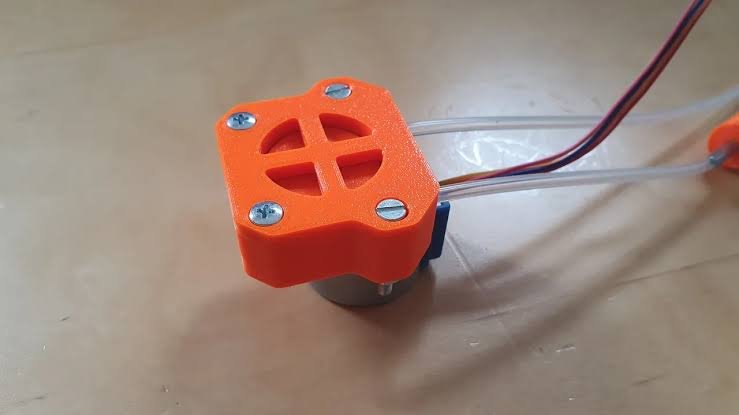
With growing demand for compact fluid handling solutions across laboratory, medical, and portable analytical applications, buyers face an increasingly broad field of mini peristaltic pump suppliers to evaluate. Developing a structured approach to supplier comparison helps buyers make more confident sourcing decisions in this specialized product category.
Starting With Clear Application Requirements
Effective supplier evaluation begins with clearly defined application requirements, including required flow rate range, precision tolerance, fluid chemical compatibility, physical size constraints, and power supply parameters, since comparing suppliers meaningfully requires a consistent set of requirements against which each potential supplier’s capability can be objectively assessed.
Technical Specification Comparison
Once basic requirements are established, buyers should request detailed technical specifications from potential mini peristaltic pump suppliers comparing not just headline flow rate figures but also accuracy tolerances, power consumption characteristics, and physical dimension specifications relative to the buyer’s specific application constraints.
Evaluating Manufacturing Quality Control
Beyond published specifications, buyers should investigate each potential supplier’s manufacturing quality control processes, since consistent performance across production units depends heavily on rigorous tolerance control throughout manufacturing, particularly important given the tighter manufacturing tolerances that compact pump formats generally require compared to standard-sized alternatives.
Assessing Customization and Support Capability
Buyers with any degree of custom integration requirements should evaluate each supplier’s demonstrated capability and willingness to support customization, including form factor adjustments, control interface modifications, or specific tubing compatibility requirements relevant to the buyer’s particular application.
Reviewing Sample Availability and Evaluation Process
Requesting product samples for hands-on evaluation before committing to larger orders provides valuable real-world validation of a supplier’s published specifications and actual product quality, helping buyers avoid the risk of discovering performance gaps only after committing to a significant order based on catalog specifications alone.
See also: Understanding Low Doc Business Loans: Benefits and Application Process
Considering Total Cost Beyond Unit Pricing
Buyers should evaluate total cost considerations beyond simple unit pricing comparison, including minimum order requirements, shipping and import costs for international suppliers, and any tooling or customization fees that might apply depending on the specific product configuration required.
Weighing Long-Term Partnership Potential
For buyers anticipating ongoing or growing pump requirements, evaluating a supplier’s capacity to support long-term partnership, including production scalability and consistent communication quality, provides important insight beyond simply comparing initial order terms across different potential suppliers.
Conclusion
Comparing mini peristaltic pump suppliers effectively requires structured evaluation across technical specifications, manufacturing quality control, customization capability, and total cost considerations. Buyers who invest in this thorough comparison process typically identify suppliers genuinely suited to their specific application requirements rather than defaulting to suppliers offering the most attractive initial pricing alone.
FAQs
Q1: What should I define before comparing mini peristaltic pump suppliers? Clearly establish required flow rate range, precision tolerance, fluid compatibility, physical size constraints, and power parameters to enable meaningful supplier comparison.
Q2: Why should I request product samples before placing a larger order? Samples provide real-world validation of published specifications and actual product quality, helping avoid performance gaps discovered only after committing to a significant order.
Q3: What costs beyond unit pricing should factor into supplier comparison? Consider minimum order requirements, shipping and import costs, and any applicable tooling or customization fees when evaluating total cost across different suppliers.