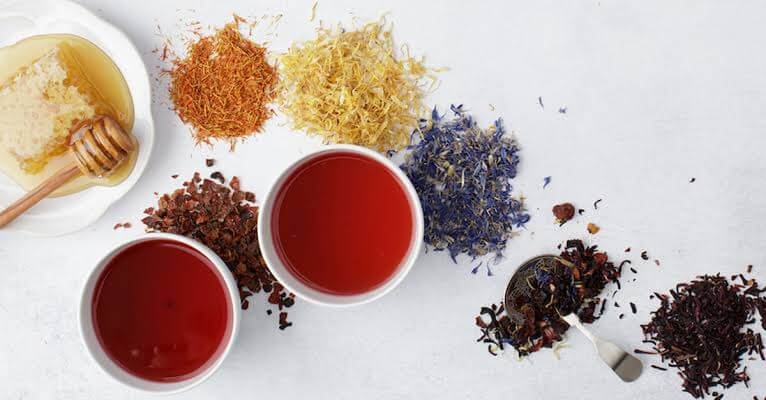
Tea menus in hospitality settings have grown considerably more sophisticated in recent years, and combine tea blends have become a notable part of that evolution, offering businesses a way to present something distinctive rather than relying purely on standard single-origin offerings.
What Makes Blended Tea Appealing to Businesses
Blended teas allow producers to combine complementary flavour profiles, creating a more layered and often more consistent taste experience than relying on a single tea variety alone. For hospitality businesses, this consistency is particularly valuable, since customers expect the same quality and flavour experience with every order.
Blends also offer an opportunity for differentiation on a menu, giving cafes and restaurants a distinctive offering that customers cannot easily find elsewhere, which can become a genuine point of loyalty for regular patrons.
Considerations When Selecting a Blend
Flavour Profile and Customer Base
Understanding your typical customer base helps guide blend selection, since preferences can vary considerably between businesses catering to a younger, trend-driven clientele versus those serving a more traditional customer base with established tea preferences.
Preparation Consistency
Beyond the blend itself, consistent preparation, including steeping time and water temperature, plays a significant role in how the final product actually tastes, meaning staff training is just as important as the quality of the tea itself.
Sourcing Quality Blends for Commercial Use
For businesses looking to add a distinctive option to their beverage menu, exploring combine tea offerings from an established commercial supplier ensures both quality and consistency of supply, which matters considerably for maintaining a reliable menu offering over time.
Pairing Blended Tea With Food Offerings
Thoughtfully selected tea blends can complement a food menu in ways that enhance the overall dining experience, with certain blends pairing particularly well with specific cuisines or dessert offerings. Restaurants that put thought into these pairings often find it becomes a subtle but meaningful point of differentiation.
See also: GLP-1 Microdosing: I Read the Threads, Checked the Data, and Here’s My Honest Verdict
Presentation and Menu Positioning
How a blend is presented on a menu, including any accompanying description of its flavour notes or origin story, can significantly affect how customers perceive its value, sometimes justifying a premium price point compared with more generic tea offerings.
Frequently Asked Questions
Are blended teas more expensive than single-origin options?
Pricing varies depending on the specific ingredients and sourcing involved, though blended options are not necessarily more expensive than quality single-origin alternatives.
Can blended tea be served both hot and cold?
Yes, many blends are versatile enough to be prepared as either hot tea or iced tea, giving businesses flexibility depending on seasonal demand.
How should businesses store tea to maintain freshness?
Proper storage in airtight containers away from light, heat, and moisture is essential for maintaining flavour quality over time, and suppliers can typically advise on best practices.
Final Thoughts
For hospitality businesses looking to add distinctive, high-quality beverage options to their menu, well-sourced blended teas offer a genuine opportunity to stand out while still delivering the consistency customers expect.