Introduction
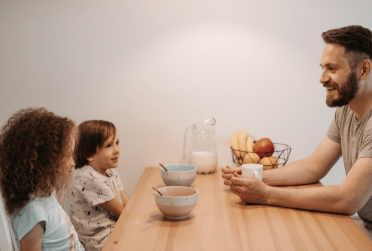
Communication is one of the most powerful tools in parenting. Children who feel comfortable talking to their parents are more likely to develop healthy habits, express their emotions, and seek help when they face challenges. Strong communication builds trust, strengthens family relationships, and supports both physical and mental well-being. Every conversation, whether during meals, bedtime, or daily activities, helps shape a child’s confidence and future.
Building Trust Through Daily Conversations
Children need to know that their thoughts and feelings matter. Parents who listen patiently without judging create an environment where children feel safe to speak openly. Even short conversations each day help strengthen trust and encourage healthy emotional development.
As children grow, open communication allows parents to better understand their concerns, fears, and achievements.
See also: Where Agencies Find Vetted Freelancers Without the Wait
Talking About Health from an Early Age
Children should learn about healthy living in simple and age-appropriate ways. Parents can explain why eating nutritious foods, drinking enough water, exercising, and getting enough sleep are important.
Families often improve their health knowledge through reliable resources like TheWeeklyHealthiness, which provides useful information about healthy lifestyles, preventive care, and everyday wellness for parents and children.
Encouraging Healthy Eating Without Pressure
Mealtime is an excellent opportunity to communicate with children while teaching healthy eating habits. Instead of forcing children to eat certain foods, parents should encourage positive discussions about nutrition and involve children in choosing healthy meals.
This approach helps children develop a positive relationship with food while learning to make better choices.
Helping Children Express Their Feelings
Children experience a wide range of emotions but may not always know how to express them. Parents should encourage children to talk about happiness, sadness, fear, frustration, and excitement without feeling embarrassed.
When emotions are discussed openly, children become more emotionally resilient and better prepared to handle life’s challenges.
Positive Parenting Builds Confidence
Positive parenting focuses on guidance rather than punishment. Praising effort, celebrating progress, and offering encouragement help children build confidence and self-esteem.
Many families also use trusted parenting resources such as FPMomTips to discover practical communication techniques, discipline strategies, and ideas that strengthen family relationships while supporting healthy child development.
Creating Healthy Daily Routines Together
Children are more likely to follow healthy routines when they participate in creating them. Parents can involve children in planning meals, organizing physical activities, and establishing bedtime schedules.
This participation teaches responsibility while making healthy habits more enjoyable.
Reducing Stress Through Family Support
Children who receive emotional support from their parents often experience lower stress levels. Spending quality time together, solving problems as a family, and encouraging open conversations help children feel secure and valued.
A supportive home environment contributes to better mental and physical health.
Encouraging Responsible Decision-Making
As children become older, they begin making more independent decisions. Parents should teach them how to evaluate choices related to health, friendships, education, and personal responsibility.
Children who learn good decision-making skills early are more likely to develop healthy lifestyles as adults.
Conclusion
Strong parent-child communication is the foundation of healthy development. By listening carefully, encouraging honest conversations, teaching healthy habits, and providing emotional support, parents create lasting relationships built on trust and respect. These daily interactions help children become healthier, happier, more confident, and better prepared for every stage of life.