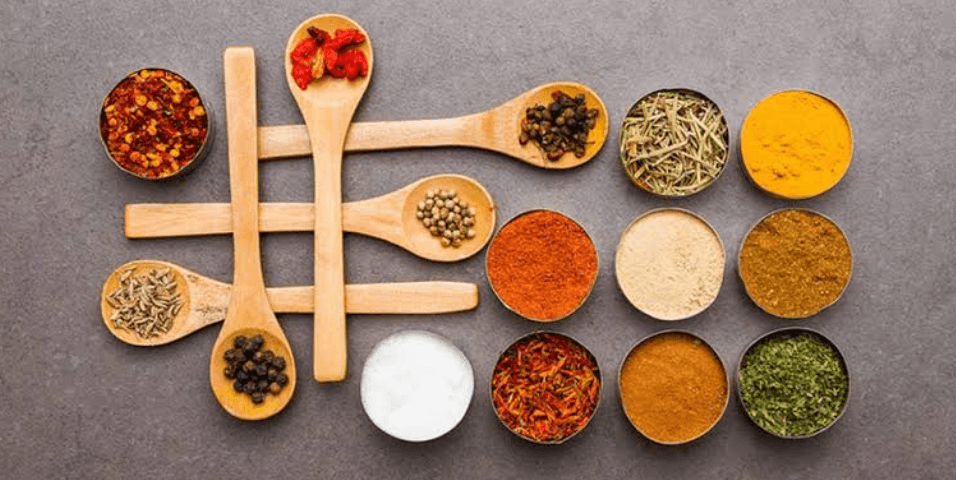
Sri Lanka is renowned for its diverse and aromatic spices that have been integral to its culinary traditions for centuries. The use of sri lankan spices in local cuisine reflects not only the island’s rich natural resources but also its rich cultural heritage. From vibrant curries to fragrant teas, these spices contribute to distinctive tastes that attract food enthusiasts worldwide.
The Historical Importance of Sri Lankan Spices
The spice trade has played a crucial role in Sri Lanka’s history, positioning the island as a key player in the global exchange of precious commodities. Indigenous spices such as cinnamon and cardamom were highly sought after by ancient civilizations, influencing trade routes and colonial interests. This historical significance has fostered a longstanding relationship between the country’s economy and its spice cultivation.
Key Sri Lankan Spices and Their Characteristics
Sri Lankan spices are known for their intense aroma and robust flavour profiles. Some of the most prominent ones include cinnamon, cloves, cardamom, nutmeg, pepper, and turmeric. Cinnamon, known for its sweet yet woody fragrance, is particularly notable as Sri Lanka is one of the largest producers of true cinnamon. Cloves and cardamom add warm, pungent notes to dishes, while turmeric offers vibrant colour and subtle earthiness.
Cinnamon: The Crown Jewel
Ceylon cinnamon from Sri Lanka is prized for its delicate, natural sweetness and thin, brittle bark. This spice is often considered superior to its cassia counterpart found in other regions. Its culinary uses range from desserts and beverages to savoury dishes, making it a versatile component of the spice box.
Cloves and Cardamom
Cloves provide a bold, warm, and slightly bitter flavour that enhances meat and seafood curries. Cardamom pods, on the other hand, offer a sweet, aromatic essence used in both sweet and savory preparations, including traditional rice dishes and fragrant teas.
Nutmeg and Pepper
Nutmeg imparts a warm, nutty flavour that complements creamy and rich dishes commonly found in Sri Lankan cuisine. Black pepper, native to the region, is fundamental to balancing heat and enhancing other spices’ flavours in everyday cooking.
The Role of Spices in Sri Lankan Cuisine
Sri Lankan dishes are defined by their complex spice blends that are layered to create depth and intensity. Spices are often dry roasted before being ground, a process that unlocks their essential oils and amplifies their natural flavours. These blends are then used to season curries, stews, and even rice, showcasing a distinctive culinary identity.
Rice and curry form the cornerstone of daily meals, typically accompanied by multiple vegetable and meat dishes richly flavoured with these spices. The harmonious use of spices in these dishes not only offers taste but also ensures a well-rounded nutritional profile.
Health Benefits of Sri Lankan Spices
Many Sri Lankan spices possess medicinal properties that have been revered in traditional Ayurvedic medicine. Turmeric, for example, contains curcumin, a compound known for its anti-inflammatory and antioxidant qualities. Cinnamon is believed to regulate blood sugar levels and improve digestion, while cloves have antiseptic properties.
Incorporating these spices regularly into diets contributes to holistic health benefits alongside culinary enjoyment. This synergy of nutrition and flavour is part of what makes Sri Lankan spices unique and valuable.
How Sri Lankan Spices are Cultivated
Spice cultivation in Sri Lanka largely occurs in the central highlands, where the climate and soil conditions are ideal. Traditional farming methods are combined with modern techniques to maintain the quality and sustainability of the produce. Sri Lankan farmers take pride in nurturing their spice crops, ensuring the authenticity of their aroma and taste.
Processing and Exporting
Once harvested, spices undergo meticulous processing to preserve their quality. Cinnamon bark, for instance, is carefully peeled and dried to retain its delicate oils. The processed spices are then packaged and exported worldwide, supporting local economies and promoting international appreciation of Sri Lankan flavours.
Using Sri Lankan Spices at Home
For cooking enthusiasts seeking to replicate authentic Sri Lankan tastes, investing in genuine spices is key. Sri lankan spices curated in spice boxes offer a convenient way to bring these rich flavours into the home kitchen. These collections often include a variety of essential spices, pre-measured and prepared for immediate use.
Understanding how and when to use each spice is essential. For example, whole spices might be toasted before grinding or cooking to release their full potential. Ground spices are added at different stages of cooking depending on the intensity required. Experimentation and adherence to recipe guidelines can help achieve authentic results.
Global Influence of Sri Lankan Spices
The exotic appeal and versatility of Sri Lankan spices have extended beyond the island’s borders, influencing culinary traditions worldwide. They are now found in both traditional and fusion cuisines, adding depth and character to dishes. The increasing popularity of Sri Lankan spices has also sparked interest in their history, cultivation, and health benefits.
Culinary Tourism and Spice Trails
Culinary tourism in Sri Lanka offers travellers an immersive experience into the world of spices. Guided spice trails and cooking classes enable visitors to witness cultivation and processing firsthand while learning to cook authentic dishes. This experiential approach has boosted awareness and appreciation of Sri Lankan spices globally.
Conclusion
The rich flavours of Sri Lankan spices represent more than just ingredients; they embody the island’s history, culture, and natural richness. From cultivation through to culinary use, these spices continue to enhance dishes with their unique flavours and health benefits. Exploring these spices offers a rewarding journey into one of the world’s most esteemed culinary traditions.
For those interested in incorporating authentic Sri Lankan spices into their cooking, high-quality options are available in curated sets. Such resources make it easier to appreciate the complexity and depth that sri lankan spices bring to any kitchen.