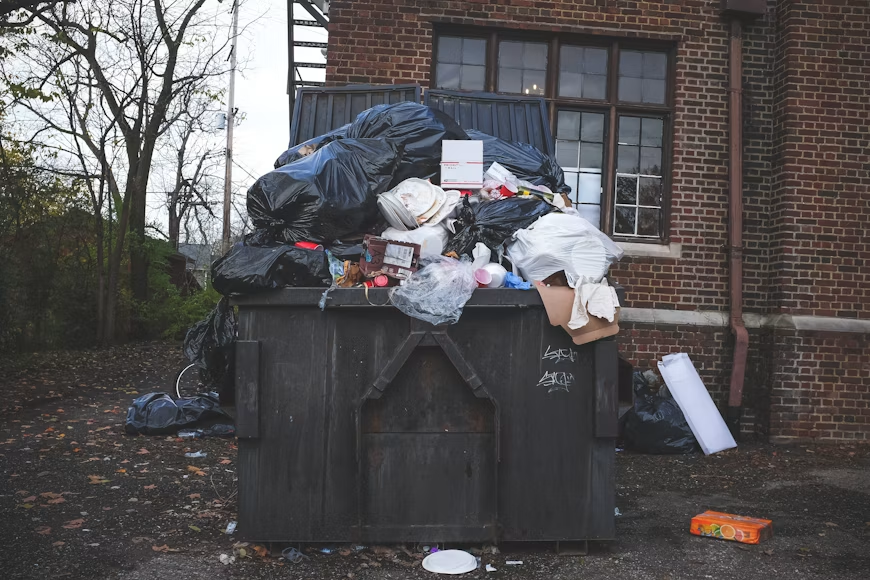
Most people assume a roll-off container will swallow anything they throw at it, and for general debris that is mostly true. The trouble starts with the items that are banned for safety, environmental, or legal reasons. Before you book a dumpster rental in Omaha, it helps to know which materials a hauler will refuse, because tossing the wrong thing in can lead to extra fees, a load left behind, or a container that no truck can legally move.
Knowing the banned list ahead of time saves you the hassle of sorting debris twice. A dumpster rental in Omaha follows the same broad disposal rules you find across the country, with hazardous and specially regulated waste at the top of the no-go list. This guide breaks down the common items that do not belong in a roll-off, why they are restricted, and where they should go instead.
Hazardous and Flammable Materials
Anything classified as hazardous waste is off limits, and this is the strictest category. Paint, paint thinner, solvents, motor oil, gasoline, and other flammable liquids all fall here. These materials can leak, ignite, or contaminate a landfill, so haulers will not accept them under any circumstances.
The same goes for household chemicals like pesticides, herbicides, pool treatments, and cleaning agents in bulk. If a product carries a warning label about flammability or toxicity, treat it as banned. Most cities run household hazardous waste collection events or permanent drop-off sites, which is where these items should go. Pouring them down a drain or hiding them in a load is both illegal and dangerous, and it can hold up your entire pickup.
See also: host-post-06-pillar-branded.md
Tires and Automotive Waste
Tires are one of the most common items people try to sneak into a container, and almost every landfill refuses them. They trap methane gas, take up huge amounts of space, and rise to the surface over time. Tire shops and dedicated recycling programs accept them, often for a small per-tire fee.
Car batteries are another firm no. They contain lead and acid, which makes them both hazardous and recyclable through auto parts stores. Used motor oil, antifreeze, and oil filters round out the automotive items that need their own disposal route rather than a spot in the bin. Many service stations and quick-lube shops take these fluids back at no charge.
Electronics and Appliances
Electronic waste sits in a gray zone that catches a lot of renters off guard. Televisions, computer monitors, and other devices contain metals and components that many landfills no longer accept. Electronics recycling centers handle these properly, and some retailers take old devices back when you buy a replacement.
Appliances need a closer look too. Refrigerators, freezers, and air conditioners contain refrigerant that must be drained by a certified technician before disposal. Some haulers accept appliances once the refrigerant is removed, while others ask you to handle them separately. A quick call before you load one in clears up the rule for your situation.
Heavy and Restricted Construction Debris
Concrete, brick, dirt, and asphalt are not banned outright, but they come with weight limits that change how you handle them. These materials are dense, so a small pile can exceed a container weight cap fast. Many haulers ask you to keep clean concrete or dirt in a dedicated box so it can be recycled rather than sent to a landfill.
Asbestos is a hard stop. Older homes sometimes contain it in insulation, flooring, or siding, and removing it requires a licensed abatement contractor. It can never go in a standard roll-off. If you suspect asbestos in a renovation, stop and get the material tested before anything moves.
Other Items to Keep Out
A few everyday items surprise people. Mattresses are banned or restricted in many areas because they jam recycling equipment and take up space. Some landfills accept them for an added fee, while others require a separate mattress recycling program.
Propane tanks, even empty ones, are refused because of explosion risk. Medical waste, including needles and pharmaceuticals, needs specialized disposal. Wet paint is banned, though fully dried-out paint cans are sometimes allowed once the contents are solid. Food waste in large quantities can attract pests and is better suited to compost or regular trash service.
What to Do With Banned Items
The pattern across all of these is simple. If a material is toxic, flammable, pressurized, or specially regulated, it belongs somewhere other than a roll-off. Local options usually include household hazardous waste facilities, electronics recyclers, auto parts stores, scrap metal yards, and tire retailers. Many of these accept items free or for a modest fee.
When in doubt, ask before you load. A short phone call to your hauler answers the gray-area questions about appliances, electronics, and heavy debris, and it costs nothing. Sorting these materials out before delivery keeps your container compliant, avoids surprise charges, and makes sure the truck can haul your load away on the first try. A clean, properly loaded bin is the fastest path to finishing your project without a hitch.