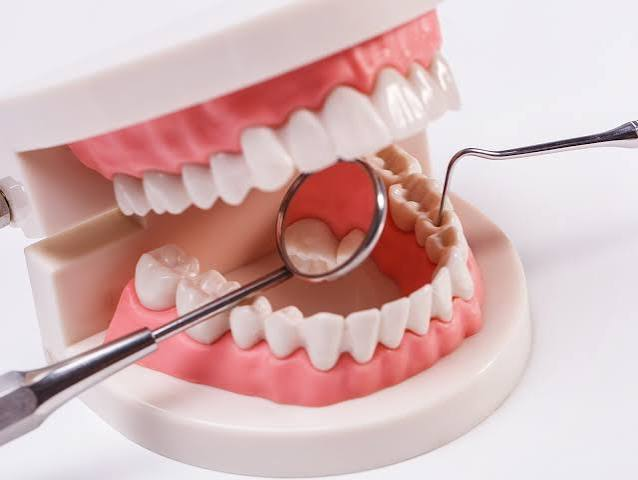
A healthy smile is an important part of overall well-being. Good dental care helps keep teeth strong, gums healthy, and breath fresh while reducing the risk of common oral health problems. Although many people focus on brushing their teeth, maintaining excellent oral hygiene involves several daily habits, regular dental visits, and thoughtful lifestyle choices. By understanding the basics of dental care, anyone can take practical steps toward protecting their smile for years to come.
Whether you are developing a new oral hygiene routine or improving your existing habits, learning the essentials of dental health can make a meaningful difference. From proper brushing techniques to balanced nutrition, small and consistent actions can help prevent many dental problems.
Understanding the Importance of Dental Care
Dental care involves protecting the teeth, gums, tongue, and other parts of the mouth from disease and damage. The mouth plays an important role in eating, speaking, and expressing emotions, so keeping it healthy supports everyday comfort and confidence.
Poor oral hygiene can allow plaque to accumulate on teeth. Plaque is a sticky film containing bacteria that feed on sugars and produce acids. These acids can gradually damage tooth enamel, increasing the risk of cavities. Plaque buildup along the gumline can also cause inflammation, bleeding, and gum disease.
Consistent dental care helps control plaque, protect enamel, and maintain healthy gums. It can also help identify potential problems before they become more serious or expensive to treat.
Brush Your Teeth Properly Twice a Day
Brushing is one of the most important habits for maintaining a healthy smile. Dental professionals generally recommend brushing twice daily for two minutes each time, using a soft-bristled toothbrush and fluoride toothpaste.
Fluoride helps strengthen tooth enamel and makes teeth more resistant to acid attacks. When choosing toothpaste, look for a product containing fluoride that suits your oral health needs.
Follow these brushing tips for better results:
- Brush gently using small circular movements rather than aggressive back-and-forth scrubbing.
- Clean the front, back, and chewing surfaces of every tooth.
- Pay attention to the gumline, where plaque can collect.
- Brush your tongue gently to help remove bacteria that contribute to bad breath.
- Replace your toothbrush approximately every three to four months, or sooner if its bristles become frayed.
Brushing too forcefully can irritate gums and contribute to enamel wear. A gentle, thorough technique is more beneficial than applying excessive pressure.
Make Flossing Part of Your Daily Routine
Even an effective toothbrush cannot reach every area between the teeth. Food particles and plaque can accumulate in these spaces, potentially contributing to cavities and gum disease.
Daily cleaning between the teeth helps remove debris that brushing may miss. Traditional dental floss works well for many people, while interdental brushes can be useful when spaces between teeth are larger. Water flossers may also be suitable alternatives for people who find conventional floss difficult to use.
To floss properly, guide the floss gently between your teeth and curve it around each tooth. Move it carefully along the side of the tooth and slightly beneath the gumline without snapping it into the gums.
Developing a consistent interdental cleaning habit can improve gum health and help maintain cleaner teeth. If you experience persistent bleeding, tenderness, or difficulty cleaning between particular teeth, consult a dental professional for guidance.
Choose Foods That Support Healthy Teeth
Nutrition has a direct influence on dental health. A balanced diet supplies nutrients that support teeth and gums, while limiting sugary foods helps reduce the risk of tooth decay.
Calcium-rich foods, including milk, yogurt, and cheese, support strong teeth. Other useful choices include leafy green vegetables, eggs, fish, nuts, and a variety of fresh vegetables and fruits.
Water is particularly helpful because it supports saliva production and can wash away some food particles. Fluoridated drinking water, where available, can provide additional protection against cavities.
Try to limit frequent consumption of sugary snacks, sweets, and sweetened beverages. The frequency of sugar exposure matters because oral bacteria use sugars to produce acids that attack enamel. Eating sugary foods occasionally with meals is generally preferable to repeatedly snacking on them throughout the day.
Acidic drinks, including many soft drinks and fruit juices, can also contribute to enamel erosion. If you consume acidic beverages, avoid sipping them over extended periods. Rinsing with water afterward can help, and it is advisable to wait around 30 to 60 minutes before brushing after significant acid exposure.
Stay Hydrated and Protect Your Breath
Saliva plays an essential role in keeping the mouth healthy. It helps neutralize acids, lubricate oral tissues, and clear away food particles. A dry mouth can increase the risk of cavities, discomfort, and bad breath.
Drinking water regularly is a simple way to support hydration. Sugar-free gum may also stimulate saliva production for some people.
Good breath hygiene requires more than using mouthwash. Brush your teeth, clean between them, and gently clean your tongue every day. Persistent bad breath may be associated with gum disease, tooth decay, dry mouth, or other health concerns.
Mouthwash can complement brushing and flossing, but it should not replace either practice. Ask a dentist which type is appropriate for your needs, especially if you have ongoing oral health concerns.
Schedule Regular Dental Checkups
Professional dental examinations are an important part of preventive care. Even when your teeth appear healthy, a dentist may identify early signs of decay, gum inflammation, enamel damage, or other issues that are difficult to notice at home.
During a dental visit, the dentist may examine your teeth and gums, assess your overall oral health, and recommend professional cleaning when appropriate. If you or your child needs braces or other treatments to correct teeth alignment, consulting a specialist in papillion orthodontics can help you explore suitable options for achieving a healthier, more confident smile. X-rays may also be suggested when clinically necessary.
The ideal frequency of dental appointments depends on your individual needs. Some people benefit from visits every six months, while others require more frequent monitoring because of existing dental conditions or a higher risk of oral disease.
Do not wait for pain before arranging an appointment. Early treatment can often prevent minor problems from becoming more complicated.
See also: Financial Abuse as Domestic Violence: The Law and Protection
Avoid Habits That Damage Your Teeth
Certain everyday habits can gradually harm teeth and gums. Smoking and tobacco use increase the risk of gum disease, tooth staining, and oral cancer. Avoiding tobacco is an important step toward better oral health.
Chewing ice, biting hard objects, and opening packages with your teeth can cause chips or cracks. Teeth are designed for chewing food, not functioning as tools.
If you grind or clench your teeth, particularly during sleep, discuss the issue with a dentist. Grinding can wear down enamel and cause jaw discomfort. A dentist may recommend a suitable protective appliance when appropriate.
Sports participants should also consider wearing a properly fitted mouthguard during activities with a risk of facial impact. This simple precaution can help protect teeth from injuries.
Recognize Early Signs of Dental Problems
Paying attention to changes in your mouth can help you seek treatment at the right time. Common warning signs include persistent tooth sensitivity, bleeding gums, swelling, unusual mouth sores, and pain when chewing.
Although occasional discomfort may have different causes, recurring symptoms should not be ignored. A dental professional can identify the underlying issue and recommend suitable treatment.
Seek prompt dental attention for severe tooth pain, facial swelling, or signs of infection. Difficulty breathing or swallowing alongside facial or oral swelling requires emergency medical care.
Regular self-awareness, combined with professional examinations, helps people respond to dental concerns before they worsen.
Build a Sustainable Oral Hygiene Routine
The most effective dental care routine is one you can maintain consistently. Keep your toothbrush and toothpaste accessible, establish regular brushing times, and make interdental cleaning part of your daily schedule.
Parents and caregivers can help children develop healthy dental habits by supervising brushing and choosing age-appropriate fluoride toothpaste. Children should receive dental care according to professional recommendations, beginning early in life.
Adults can also benefit from reviewing their oral hygiene practices periodically. Changes in dental work, medications, diet, or general health may affect the care their teeth and gums require.
Rather than relying on occasional intensive cleaning, focus on small habits performed every day. Consistency is the foundation of long-term oral health.
See also: Exploring Combine Tea Blends and Their Growing Place in Hospitality Menus
Conclusion
Maintaining a healthy smile requires a combination of proper brushing, daily cleaning between teeth, balanced nutrition, sufficient hydration, and regular dental checkups. Avoiding tobacco, protecting teeth from physical damage, and recognizing early warning signs can provide additional benefits.
Dental care is not simply about appearance; it supports comfortable eating, clear speech, and overall well-being. By following practical oral hygiene habits and seeking professional advice when necessary, you can reduce the risk of common dental problems and protect your natural teeth.
A healthy smile develops through daily attention and informed choices. Start with simple improvements, maintain them consistently, and make preventive dental care an essential part of your everyday routine.